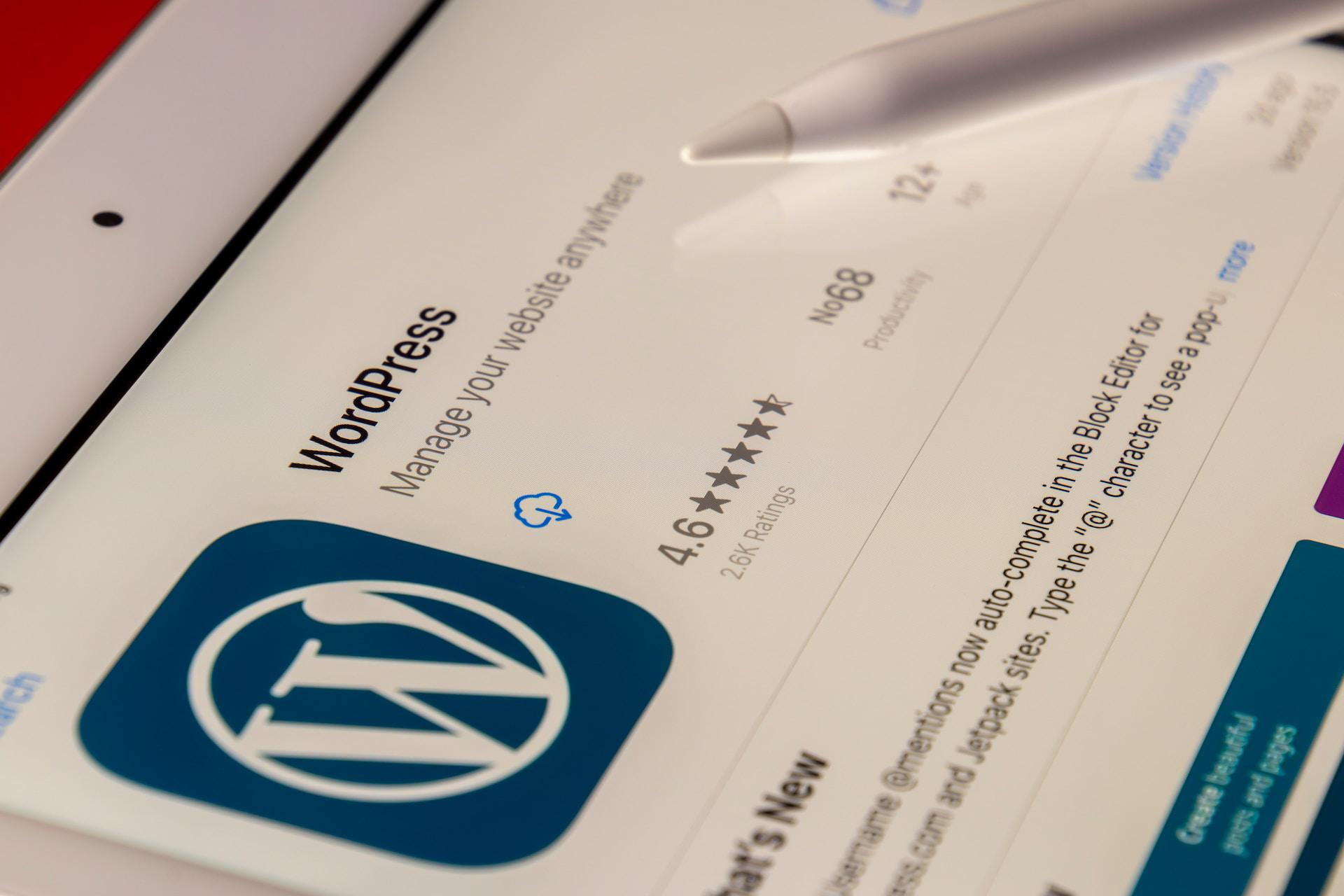
What are WordPress themes, plugins, and page builders?
10. May 2023
WordPress is one of the most popular content management systems (CMS) worldwide and offers a wide range of features and options to customize your website…

When an Englishman named Tim Berner Lee combined the HTTP protocol with HTML pages at CERN in Switzerland in the late 1980s, the World Wide Web was born and the success story of website development began.
For a long time, websites could only be created using pure HTML and a text editor, and anyone who could create websites themselves was considered a programmer or nerd.
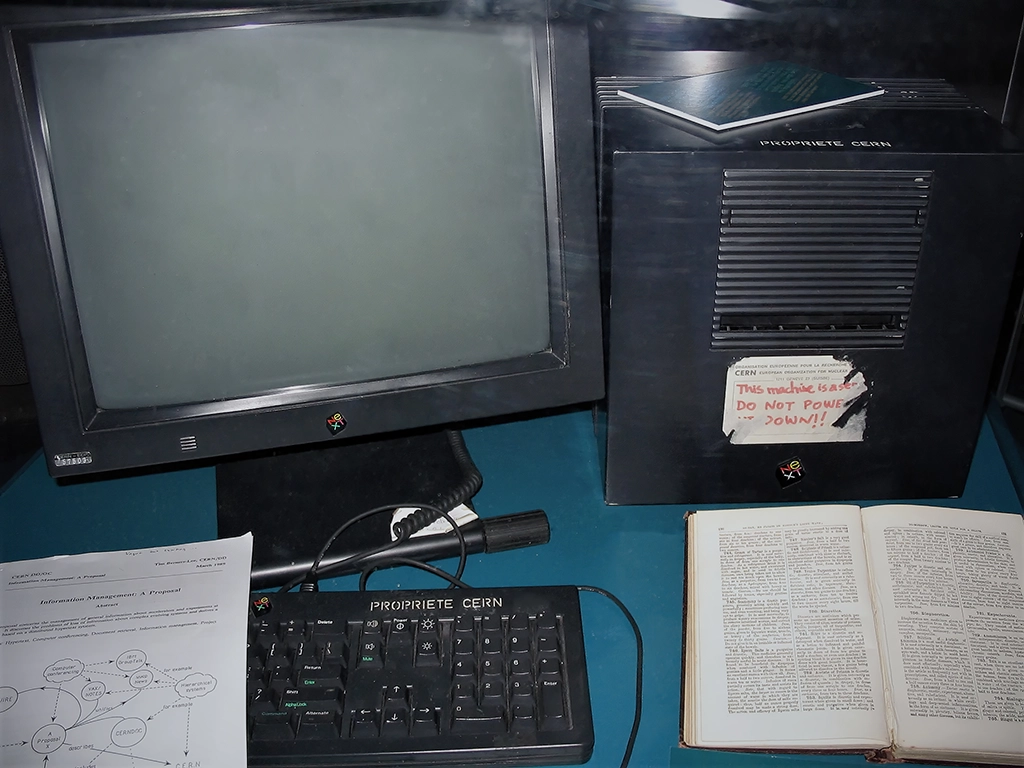
Tim Berners-Lee's NeXT computer (see sticker " This machine is a server. DO NOT POWER IT DOWN!! ") Source: https://de.wikipedia.org/wiki/CERN_httpd
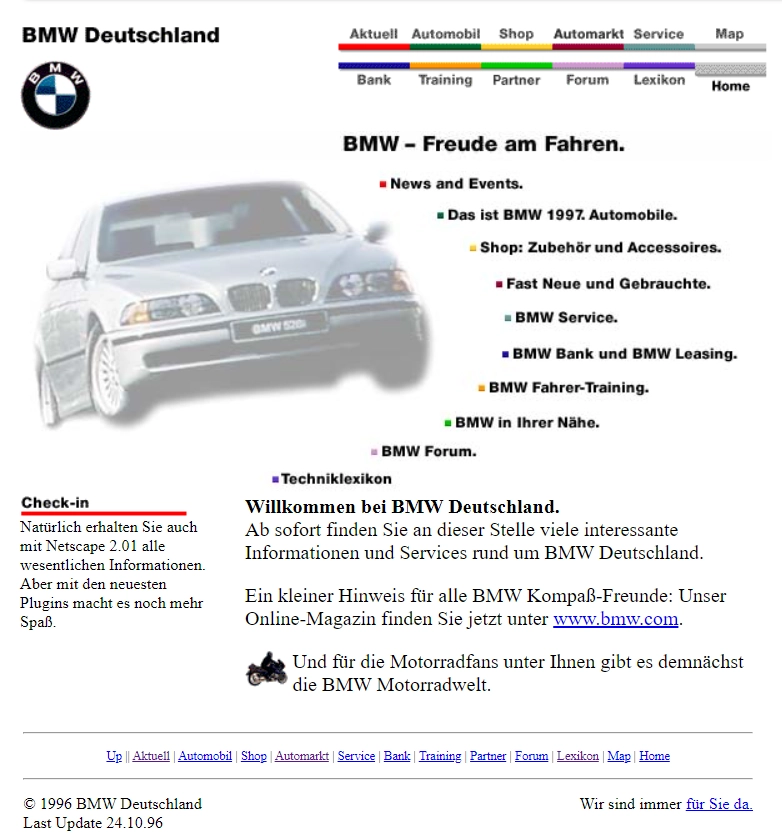
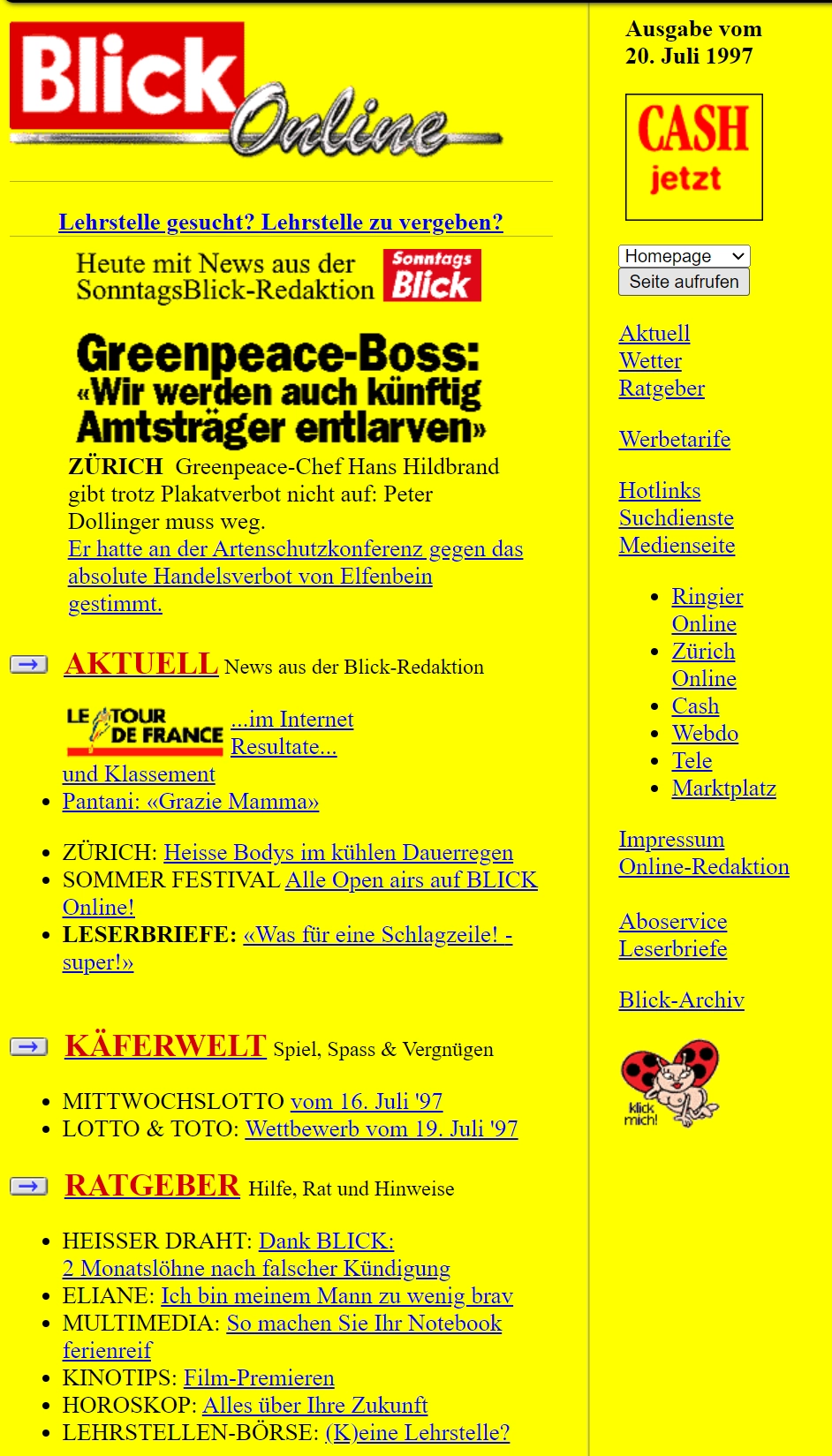
Before Google existed, and before smartphones, touchscreens, web videos, animated vector graphics, or CSS 3.0 effects, websites were very simple compared to today. A website consisted mainly of links, titles, text, and images.
Today, a website needs to do much more than it used to. Your website's content must now work for search engines. Both the content and the website itself must be optimized for fast loading times. Professional photos and videos are used, and the entire design should look good not only on desktop computers but also on smartphones, tablets, laptops, and other screen sizes and resolutions. Accessibility must also be considered. The website should be available on all common web browsers, such as Chrome, Firefox, Safari, Edge, etc., and be backward compatible in case someone is using an older browser.
This list could go on indefinitely. In short, a website today needs to be able to do much more than it did 20 years ago.
On the other hand, many so-called website builders have emerged and grown over the last 20 years, suggesting that anyone with a bit of IT aptitude and patience can build their own website. This leads us to the paradox of website development: on the one hand, a website has to be able to do more and more, while on the other hand, it should become ever easier to create one. How exactly is this supposed to work?
A tool is only as good as the user knows and can use it. Someone using a website tool for the first time is highly unlikely to create a professional online presence. With enough patience, you can certainly create a website for your hobby club yourself. That answers the question:
Not all websites are created equal.
Before a new website can be started, its goals must be clarified. This sounds simple, but it isn't, because you have to carefully consider how and where to best invest your time and money.
If you are unsure which direction your new website should take, we would be happy to advise you.
Together on a path to success